Exploring the 8 Abstract Adobe Photoshop Brushes Set 3 for Creative Designers
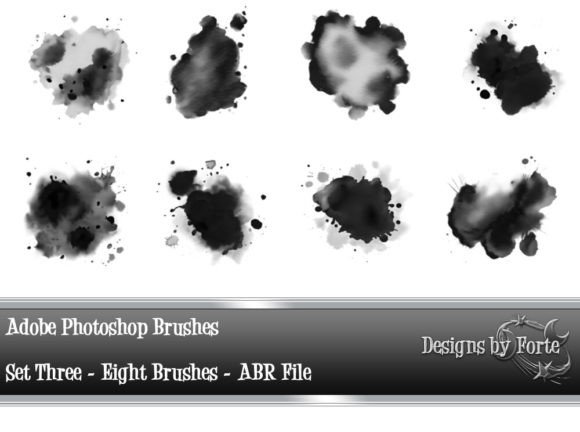
The 8 Abstract Adobe Photoshop Brushes Set 3 is a curated collection of digital brushes designed to expand creative possibilities in Adobe Photoshop. Each brush in the set introduces unique textures, abstract shapes, and fluid patterns that can be layered, blended, and customized to suit a wide range of artistic and design applications. These brushes are especially useful for designers looking to break away from conventional design elements and explore more expressive, non-traditional visuals.
What Makes Set 3 Stand Out?
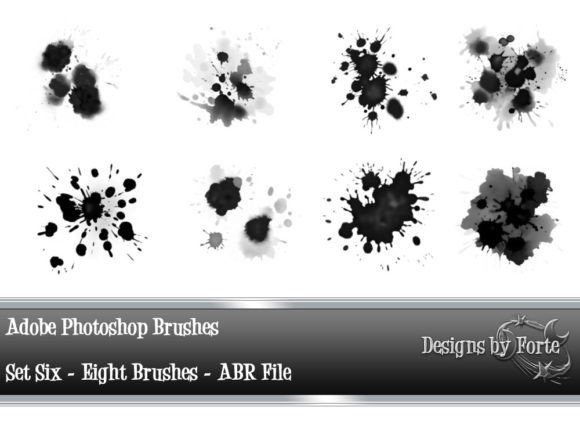
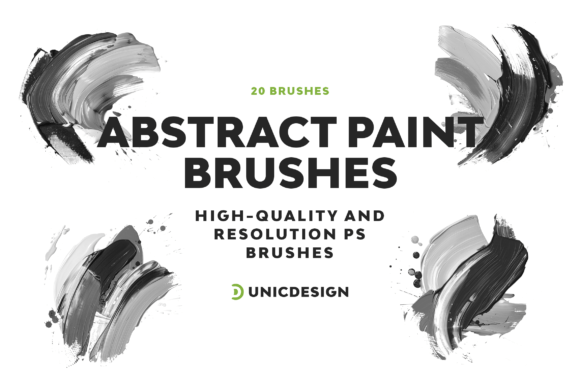
Unlike generic brush sets, the 8 Abstract Adobe Photoshop Brushes Set 3 emphasizes experimental forms and organic textures. This set includes brushes that mimic natural media like ink splatters, fluid paint drips, and abstract geometric overlays. The brushes are designed with varying opacity, flow, and scattering settings to allow for dynamic layering and depth. These characteristics make the set particularly appealing for illustrators, digital artists, and graphic designers working on editorial layouts, concept art, or motion graphics.
One of the notable features of Set 3 is its focus on modularity. Each brush can be used independently or combined with others to create complex visual effects. This flexibility allows users to maintain a cohesive aesthetic while still experimenting with diverse styles. The brushes are also scalable without loss of quality, making them suitable for both high-resolution print work and digital-only projects.
Comparing Abstract Brush Sets: Set 3 vs. Set 2
When comparing the 8 Abstract Adobe Photoshop Brushes Set 3 with its predecessor, Set 2, there are clear distinctions in style and intended use. Set 2 leans more toward structured abstract forms—think angular shapes, controlled splatters, and patterned overlays. In contrast, Set 3 embraces fluidity and randomness, offering more organic and unpredictable textures that mimic real-world imperfections.
For example, if you're working on a project that requires a clean, stylized abstract background, Set 2 might be more appropriate. However, if your design calls for a sense of motion, depth, or raw texture, Set 3 provides a richer toolkit. Both sets are compatible with Photoshop Elements, but Set 3’s brush dynamics are more responsive to pressure-sensitive tablets, which can be a deciding factor for illustrators who rely on nuanced brush behavior.
Strengths and Tradeoffs of Set 3
The 8 Abstract Adobe Photoshop Brushes Set 3 excels in scenarios where unpredictability and texture play a key role in the design. Its strength lies in the ability to generate visually engaging backgrounds, abstract overlays, and expressive brush strokes with minimal effort. This makes it ideal for concept artists, UI/UX designers experimenting with abstract elements, and illustrators aiming for a painterly aesthetic.
However, there are tradeoffs to consider. Because the brushes are abstract and often complex, they may not be suitable for projects requiring clean, minimalistic design. Additionally, users who are new to Photoshop may find some brushes overwhelming due to their rich textures and dynamic properties. It may take time to learn how to blend and adjust them effectively without overloading a composition.
Best Fit Situations for Set 3
This brush set is particularly well-suited for creative professionals working in the following areas:
- Editorial Design: Adding abstract textures to magazine spreads or book covers.
- Concept Art: Creating atmospheric backgrounds and textured overlays for digital painting.
- Motion Graphics: Designing abstract transitions and visual effects in After Effects using Photoshop assets.
- Brand Identity: Crafting unique abstract elements for logos, packaging, or marketing materials.
In each of these cases, the 8 Abstract Adobe Photoshop Brushes Set 3 can help streamline the creative process by providing ready-to-use textures that can be customized rather than created from scratch.
Limitations and Alternatives
While the 8 Abstract Adobe Photoshop Brushes Set 3 is versatile, it may not be the best fit for every project. For instance, if your design requires highly detailed or realistic textures—such as wood grain, fabric, or stone—you may want to consider more specialized brush sets or texture packs. Additionally, if you're working within a strict brand style guide that limits abstract or expressive elements, this set may not align with your design constraints.
There are also alternative approaches to achieving abstract visuals, such as using built-in Photoshop filters, layer blending modes, or third-party texture overlays. However, these methods often require more manual tweaking and may not offer the same level of spontaneity and artistic control as the brushes in Set 3.
How to Get the Most Out of Set 3
To make the most of the 8 Abstract Adobe Photoshop Brushes Set 3, consider the following tips:
- Experiment with Layer Modes: Try using brushes with different blending modes like Multiply, Overlay, or Screen to create depth and contrast.
- Adjust Brush Settings: Play with opacity, flow, and scattering to fine-tune how the brush interacts with your canvas.
- Combine with Other Tools: Use the brushes alongside Photoshop’s adjustment layers or masks to integrate them seamlessly into your compositions.
- Build Custom Presets: Save your favorite brush combinations as custom presets to speed up your workflow.
By taking the time to explore these options, you’ll be able to tailor the brushes to your specific needs and creative style.
When to Choose Set 3 Over Other Options
If you're looking for a brush set that offers a high degree of artistic freedom and visual complexity, the 8 Abstract Adobe Photoshop Brushes Set 3 is an excellent choice. It’s especially valuable for creatives who want to move beyond standard design elements and inject more personality into their work.
On the other hand, if your project demands precision, minimalism, or realism, it may be worth exploring other brush sets or tools that better align with those goals. The key is to match the tool to the project’s visual tone and functional requirements rather than using abstract brushes simply for the sake of variety.